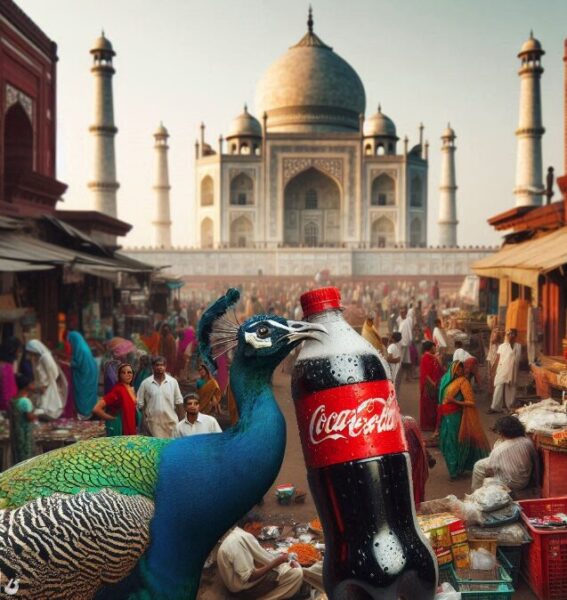
As MBA students, you’ve already come across the AIDA model in your marketing books: Attention, Interest, Desire, and Action. It’s the golden sequence every marketer swears by to guide a consumer from “Who’s that?” to “Take my money!” But have you ever wondered how this model plays out in the energetic and diverse world of Indian advertising?
In a land where Bollywood blockbusters and cricket rival the stock market’s volatility, Indian ads have to work a little harder. They have to grab attention, spark interest, stir desire, and prompt action — all within a matter of seconds. And trust me, they’re good at it. Let’s explore how AIDA model has evolved in India’s ad industry, Bollywood style, with a hint of humor. One such nostalgic brand is Rotomac pens, which had a fascinating rise and fall
1. Attention: The “Shah Rukh Khan” Factor
We all know how Shah Rukh Khan’s signature “Paas Aaiye” moment lights up the screen. Whether he’s romancing the camera or delivering a cheeky one-liner, he grabs your attention with the same charm a Mumbai local train uses to grab a seat during rush hour. And guess what? Indian advertisers are using the same techniques to do this!
Indian ads know that to grab eyeballs, you need to be loud, vibrant, and a little dramatic. For example, Amul Butter’s ads are iconic for being short, snappy, and full of humor. The brand has had a longstanding tradition of turning current events into witty, topical ads — and they know how to make you notice.
Another great example? Tata Tea’s “Jaago Re” campaign, which used loud, powerful visuals and bold messaging to draw attention to social issues, transforming a regular tea ad into a call for awakening. It was simple but impactful — and impossible to ignore.
2. Interest: The Storytelling Saga
Alright, you’ve caught their attention. But how do you keep them hooked? That’s where Indian ads excel — they understand the power of storytelling. Unlike many Western ads that get straight to the point, Indian advertising weaves stories that are often filled with emotions, family values, or humor. Think of it as an epic film unfolding in just 30 seconds.
Remember Cadbury Dairy Milk’s famous “Kuch Meetha Ho Jaaye” ad? The emotional pull of that ad made us believe that a simple chocolate bar could solve even the most complicated relationships. The ad showed a young girl bonding with her estranged father over a bar of chocolate. It was heartwarming, and it kept us watching till the very end.
Similarly, Fevicol has mastered the art of humor-driven storytelling. The brand’s ads always tell quirky tales of people and objects getting “stuck” together, with Fevicol being the unsung hero holding everything in place. Whether it’s a bus full of passengers glued to each other or a wedding procession stuck in traffic, the stories are designed to not just entertain but also engage the viewer on a personal level.
3. Desire: The “You’ve Got to Have This!” Moment
The desire phase is where brands turn their attention-grabbing visuals and story-driven ads into something more profound: aspiration. It’s not just about the product anymore; it’s about what it promises you — whether it’s a lifestyle, status, or emotional fulfillment.
Let’s talk about Titan Watches. Think about their ads over the years — they’re not just selling a watch; they’re selling a symbol of success. Every time you see a Titan ad featuring a young professional or an elegant couple, you’re left thinking, “I deserve that level of sophistication in my life.” It’s subtle, but it works.
Similarly, Nescafé plays on the universal desire for warmth and comfort. Their ads are not just about a cup of coffee; they represent an idea — the desire for connection. Whether it’s two people talking over coffee or a lone professional sipping a cup to get through the day, Nescafé has perfected the art of blending desire with familiarity. You don’t just want the coffee; you want the moments it brings.
4. Action: Time to Seal the Deal
Once you’ve successfully triggered desire, it’s time for action. In the world of Indian advertising, this is where urgency and practicality come into play. The consumer is now at a point where they’re almost ready to make the purchase, but they need a little push.
Take the example of OYO Rooms. Their ads are all about instant gratification — “Book Now!” or “Hurry, limited rooms available!” Their straightforward messaging creates a sense of urgency and pushes the consumer to act fast. The message is simple: “You’ve got your attention. You’re interested. You want this room. Now go ahead and book it!”
Similarly, Amazon India capitalizes on the “sale” frenzy. Every time the brand runs its “Great Indian Festival” sale, their ads bombard us with countdowns, discounts, and a promise of never-before deals. The urgency to act is so strong that we often find ourselves swiping and clicking even when we don’t need the product. That’s AIDA model in full action — no pun intended!
The Meme Marketing Revolution: AIDA in the Digital Age
Now, let’s talk about the digital age. The good ol’ AIDA model has gotten a 21st-century makeover. Social media is where attention spans are shorter than ever, and marketers are using memes, influencers, and TikTok-style videos to engage audiences.
Take Zomato’s advertising on Twitter. The brand has nailed the art of irreverence. From witty one-liners to memes that play on everything from Bollywood gossip to trending hashtags, Zomato grabs attention like a viral meme. And it doesn’t stop there — it keeps the interest alive with relatable content that plays on everyday experiences, turning casual observers into loyal followers.
For instance, their campaigns like #HungerHeroes show how Zomato delivers food not just to customers but to their heartstrings. Using humor, they’re able to drive desire and action, especially when they tie in time-sensitive offers: “Get a discount today or regret it tomorrow!”

Professor of Marketing at Jaipuria Institute of Management, Lucknow. Ph.D. in Marketing, IIM Lucknow. Ex-assistant Prof at IIM Ranchi, visiting faculty to IIM Lucknow. Writes for ET BrandEquity, Campaign India, BusinessWorld, Times of India etc.