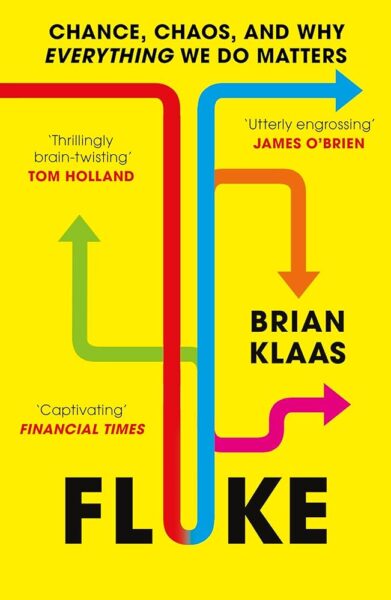
Fluke by Jennifer Ackerman explores how chance, randomness, and chaos significantly influence the world around us—right from the evolution of species to the decisions we make daily. The book offers fascinating insights into how the smallest events can ripple out to create significant outcomes.
From a marketing and advertising perspective, Ackerman’s examination of randomness and causality can be translated into how businesses, brands, and campaigns often rely on “serendipitous” moments to succeed. Marketing is not just about perfect strategies but also about capitalizing on the unpredictable, adapting to market chaos, and understanding the power of seemingly small actions.
Key Takeaways for Marketing & Advertising
-
Embrace Randomness in Campaigns:
-
Much like randomness shapes the natural world, marketing success often comes from unexpected sources. Brands should build flexibility into their campaigns, allowing space for creative, unscripted moments to resonate with audiences. Whether through viral content or user-generated campaigns, embracing the unpredictable can yield major rewards.
-
-
Be Prepared to Pivot:
-
As the book Fluke demonstrates, things rarely go as planned. In marketing, it’s essential to be agile. Brands that can adapt quickly to shifts in consumer behavior or changes in technology are more likely to thrive in today’s fast-paced digital world. Agile marketing teams that can pivot on a dime are more successful in capturing opportunities.
-
-
Use Chaos to Innovate:
-
Chaos and disruption in markets are often seen as negative forces. However, they can be the birthplace of innovation. By analyzing how chaos drives new ecosystems, marketers can look for gaps in the market to introduce new products, services, or creative strategies. Embrace the messiness to create truly unique offerings.
-
-
Leverage Data for Predictability:
-
While chaos is inherent, Ackerman also highlights the increasing role of data in helping us predict outcomes. By utilizing data analytics and predictive models, marketers can mitigate some of the randomness and make better-informed decisions. Understanding consumer behavior through data can reveal patterns that help anticipate trends.
-
-
Small Actions, Big Results:
-
The book Fluke emphasizes the butterfly effect: small actions can lead to large consequences. In marketing, this translates into understanding how minor tweaks—like the perfect social media post, a well-timed email, or an engaging influencer collaboration—can drastically impact a campaign’s success.
-
-
Human Behavior & Psychological Marketing:
-
Understanding how human beings react to randomness and uncertainty can help create marketing strategies that tap into these natural instincts. Consumers often make decisions based on impulse and chance, which is why psychological triggers (e.g., scarcity, surprise, unpredictability) are so effective in marketing.
-
Key Recommendations for Marketing/Advertising/Digital Strategy
-
Optimize for Uncertainty: In today’s unpredictable digital environment, don’t aim for 100% predictability. Instead, build campaigns that thrive on spontaneity and adaptability. Think about incorporating real-time marketing tactics and “opportunistic” ads that capitalize on current events or trends.
-
Incorporate Chaos Theory in Creative Campaigns: Tap into chaotic or unexpected moments—whether through meme culture, trending hashtags, or real-time social media events. Be flexible and responsive in your content strategy.
-
Prioritize Personalization: With all the randomness and chaos around us, personalized content that speaks to an individual’s needs and preferences will help a brand stand out. Use data analytics to deliver personalized experiences that feel more serendipitous to the consumer.
-
Focus on Long-Tail Effects: Small and consistent marketing efforts often yield more sustainable, long-term results than one-off “big bets.” Build a consistent, cumulative presence that reflects brand values and maintains audience engagement over time.
-
Prepare for the Unexpected: Have contingency plans in place for when campaigns veer off course or unexpected events occur. Don’t be afraid to change your approach based on consumer reactions, current events, or emerging trends.

Professor of Marketing at Jaipuria Institute of Management, Lucknow. Ph.D. in Marketing, IIM Lucknow. Ex-assistant Prof at IIM Ranchi, visiting faculty to IIM Lucknow. Writes for ET BrandEquity, Campaign India, BusinessWorld, Times of India etc.