Marketing strategy vs tactics.
Confused between marketing strategy and tactics? Don’t worry — you’re not alone. Many MBA students (and even seasoned marketers) tend to use these terms interchangeably. But in the world of marketing, strategy is your game plan, while tactics are the actions you take to bring that plan to life.
Let’s break it down — with relatable Indian brand examples, food analogies, and a little fun.
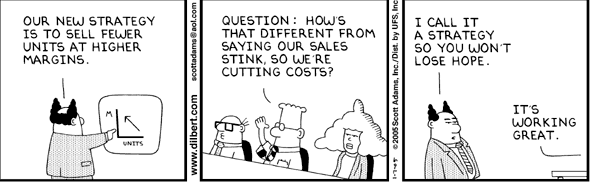
What’s the Difference Between Strategy and Tactics?
Think of marketing strategy as the recipe for your favorite biryani. It defines what you want to cook, for whom, and why. Tactics, on the other hand, are the chopped onions, marinated meat, and dum-style layering — the step-by-step execution that makes it delicious.
What is a Marketing Strategy?
A marketing strategy is a long-term, overarching plan designed to achieve specific business goals. It’s built on research, market understanding, and brand positioning. A solid strategy answers key questions like:
-
Who is our target audience?
-
What unique value do we offer?
-
How do we want to be perceived in the market?
What Are Marketing Tactics?
Tactics are the specific, often short-term, actions you take to implement the strategy. These include the campaigns, promotions, influencer tie-ups, social media posts, or any on-ground activations you run to attract and retain customers.
Real-World Examples from Indian Brands
Let’s look at how some popular Indian brands use strategy and tactics effectively.
Mamaearth
Strategy: Mamaearth’s strategy is to target young, eco-conscious parents who are looking for safe, toxin-free products. The brand positions itself as ethical, sustainable, and Indian.
Tactics:
-
Collaborating with mom influencers on Instagram
-
Highlighting “no toxins” on packaging and digital ads
-
Offering discounts during Amazon Great Indian Festival
-
Running performance ads focused on parent-child care
Mamaearth’s purpose-driven strategy is reinforced with tactical campaigns that appeal to emotion and lifestyle.
Swiggy
Strategy: Swiggy aims to dominate India’s urban food delivery market with a focus on convenience, reliability, and quick delivery.
Tactics:
-
Offers like “30 mins or free”
-
Sending personalized festival-themed push notifications
-
Engaging customers with humorous content on Twitter and Instagram
-
Partnering with local restaurants to offer curated meal deals
Here, Swiggy’s strategy sets the direction — urban convenience — while tactics make it engaging and practical for daily use.
Amul
Strategy: Amul has consistently positioned itself as a brand rooted in Indian values and everyday relevance. It stands for trust, consistency, and national pride.
Tactics:
-
Weekly topical creatives featuring the Amul girl
-
Sponsorship of family-friendly TV shows
-
Use of regional language advertising to connect across states
-
Billboards that comment on current events in a humorous way
The strategy hasn’t changed in decades, but the tactics keep evolving with culture and technology.
Why Understanding Strategy vs Tactics Matters in Your MBA Journey
As an MBA student, especially if you’re specializing in marketing, knowing the difference between strategy and tactics is crucial.
In interviews: Recruiters often ask, “Tell us about a marketing strategy that impressed you.” They want to hear clarity of thought.
In projects: Strategy shows up in segmentation, targeting, and positioning. Tactics come in when you plan campaign rollouts, budgets, and content calendars.
In startups: Many new marketers jump into paid ads or Instagram reels without thinking through the bigger picture. That’s like throwing spices into a pot without knowing what dish you’re cooking.
Final Thoughts
In simple terms, strategy is the ‘why’, and tactics are the ‘how’. You need both — but one comes before the other.
Indian brands like Mamaearth, Swiggy, and Amul succeed because they stay true to their strategy while constantly refreshing their tactics to stay relevant and engaging.
So the next time someone uses “strategy” and “tactic” as synonyms — you’ll know better.
And if you’re ever in doubt, just remember this:
Biryani is strategy. The masalas are tactics.
Hope now marketing strategy vs tactics is clear.

Professor of Marketing at Jaipuria Institute of Management, Lucknow. Ph.D. in Marketing, IIM Lucknow. Ex-assistant Prof at IIM Ranchi, visiting faculty to IIM Lucknow. Writes for ET BrandEquity, Campaign India, BusinessWorld, Times of India etc.