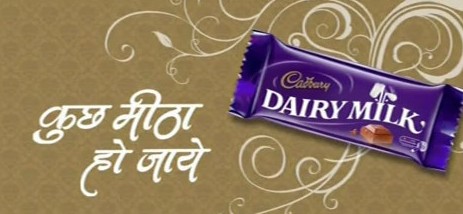
Every brand dreams of creating that one line people remember forever (advertising tagline): a line that becomes more than a slogan and turns into a feeling. From “Just Do It” to “Daag Achhe Hain,” certain taglines have a remarkable ability to stay in our minds, shape culture, and define a brand’s identity for decades. Advertising taglines play a crucial role in helping brands communicate their identity in just a few words.
But what makes these short phrases so powerful? And why do only a few stand the test of time?
This article explores the science, psychology, and art behind advertising taglines — and explains what makes them unforgettable.
Why Advertising Taglines Matter More Than Ever
In today’s cluttered digital world, attention spans are shorter and competition is higher than ever. Most consumers barely remember the specifics of an advertisement, but they do remember a strong tagline.
A powerful tagline serves several functions:
-
It communicates the brand promise
-
It evokes emotion
-
It triggers instant recall
-
It creates a verbal identity
-
It differentiates a brand from competitors
In just three to five words, a tagline conveys what a brand stands for and how it wants to be perceived.
The Psychology Behind Memorable Advertising Taglines
Most successful advertising taglines rely on simplicity and emotional clarity to remain memorable over time.
1. Simplicity
The human brain is naturally drawn to simplicity. Short, clear phrases are easier to encode and store in long-term memory. Examples include:
-
“Think Different”
-
“Yeh Dil Maange More”
-
“Because You’re Worth It”
These taglines are direct and easy to remember.
2. Emotion
People remember feelings more than information. Taglines that evoke emotions such as joy, pride, confidence, or nostalgia tend to be more memorable.
For instance, Cadbury Dairy Milk’s “Kuch Khaas Hai” was not just about chocolate. It represented celebration and happiness.
3. Rhythm and Musicality
Rhythm, rhyme, and cadence help taglines stick. Musicality improves recall and creates a pleasant auditory experience.
Examples include:
-
“Har Ek Friend Zaroori Hota Hai”
-
“Daag Achhe Hain”
-
“Taste the Thunder”
-
“I’m Lovin’ It”
4. Cultural Resonance
In India, some of the most successful taglines are those rooted in local language and culture. Hinglish, Hindi, and regional languages add authenticity and relatability.
Examples include:
-
“Jo Biwi Se Kare Pyaar, Woh Prestige Se Kaise Kare Inkaar”
-
“Utna Hi Nahi, Zyada Milega”
-
“Naye India Ka Naya Josh”
Culture adds depth and emotional weight to brand communication.
What Famous Advertising Taglines Teach Us
“Daag Achhe Hain” — Surf Excel
This tagline took a bold approach by challenging concerns about dirt. It celebrated childhood, confidence, and learning.
Lesson: Emotional inversion can create powerful recall.
“Har Ek Friend Zaroori Hota Hai” — Airtel
This campaign highlighted friendship using a line that was rhythmic, youthful, and relatable.
Lesson: Relatability combined with rhythm increases memorability.
“Yeh Dil Maange More” — Pepsi
A line that became a national expression of aspiration and excitement.
Lesson: Fresh language and contemporary tone create cultural impact.
“Just Do It” — Nike
A global benchmark in motivational simplicity.
Lesson: A tagline should represent the brand’s philosophy, not just its products.
“Think Different” — Apple
This line captured Apple’s identity as a brand for innovators and creators.
Lesson: When a tagline reflects brand positioning, it becomes timeless.
“Because You’re Worth It” — L’Oreal
A concise expression of empowerment and self-worth.
Lesson: Taglines that elevate the consumer emotionally create strong loyalty.
How to Write a Great Advertising Tagline
To create a strong and memorable tagline, marketers and students can use the following structured approach:
1. Identify the brand’s core emotion
Determine the primary feeling the brand wants to evoke, such as trust, joy, ambition, or care.
2. Focus on the benefit, not the feature
Move beyond what the product does and highlight what it enables or represents.
3. Use strong, minimal words
Avoid complex language and jargon. Simplicity is essential.
4. Add rhythm or a linguistic twist
A small element of surprise, rhyme, or cadence can increase recall.
5. Apply the three-second rule
If someone can remember the line after three seconds, it is strong.
6. Aim for timelessness
Avoid trendy expressions that may become irrelevant. Focus on truths that will endure.
The Power of Words in Indian Advertising
Indian advertising thrives on emotion and culture. Taglines using Hinglish or colloquial expressions create strong connections because they feel familiar and conversational.
India’s most impactful advertising has always relied on simplicity and authenticity. The success of many legendary lines proves that cultural insight is just as important as creativity.

Professor of Marketing at Jaipuria Institute of Management, Lucknow. Ph.D. in Marketing, IIM Lucknow. Ex-assistant Prof at IIM Ranchi, visiting faculty to IIM Lucknow. Writes for ET BrandEquity, Campaign India, BusinessWorld, Times of India etc.