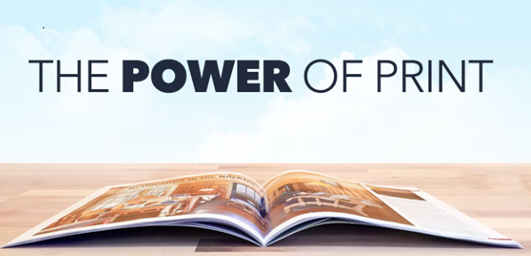
Print advertising has been declared “dead” so many times that it almost deserves a farewell tour. Yet every few months, a brand releases a clever newspaper ad or a striking magazine spread, and suddenly print advertising in the digital age feels surprisingly relevant again. With digital platforms dominating budgets and attention, it is worth asking how print continues to survive and what makes it useful today.
This article explores how print advertising in the digital age fits into today’s media mix, why brands still use it, and how it adds value alongside digital campaigns.
How Print Advertising Has Evolved Over Time
There was a time when the morning ritual began with a cup of tea and a newspaper, not a screen. Brands like Amul, The Hindu, Asian Paints, and Tata Tea used print to deliver sharp, memorable messages that became part of our cultural vocabulary.
Today, the media landscape has changed completely, but print hasn’t vanished. Instead, it has become more selective and sharp. It is no longer everywhere — which ironically makes it stand out even more when it appears.
Why Print Advertising Still Works in the Digital Age
1. Print Builds More Trust
People still tend to believe what they see in print. A full-page ad in The Hindu or Times of India carries weight. Maybe it is the ink, the texture, or simply years of habit — but trust comes built in.
2. Tangibility Improves Recall
Print offers something digital cannot: a physical presence. A brochure on your table or a magazine spread on your lap demands attention.
A digital ad disappears in a blink; print stays until you decide otherwise.
3. Local Markets Still Prefer Print
In cities like Jaipur, Indore, Lucknow, and Coimbatore, regional newspapers remain influential. For these markets, print advertising in the digital age often performs better than digital impressions that may not be locally targeted.
4. Less Noise, More Focus
Your print ad does not have to fight for space with pop-ups, banners, notifications, and videos autoplaying at the wrong moment. A clean, uncluttered newspaper page can feel refreshing — almost luxurious.
Where Print Advertising Struggles Today
Of course, print has its challenges. Readership among younger audiences has dropped, especially in metros. Measurement is limited.
Costs can be high. Turnaround times are slower.
But these weaknesses do not make print irrelevant; they simply mean print cannot carry a campaign on its own anymore. Think of it as a strong supporting actor, not the hero.
Why Digital Advertising Has the Edge
Digital is unmatched when it comes to targeting, tracking, personalisation, and speed. A brand can adjust a campaign in real-time and reach audiences across platforms instantly.
Print cannot compete with that. And it shouldn’t try. Instead, the smart move is to play to its own strengths.
Why the Future Is Print Plus Digital, Not Print Versus Digital
The Hindu’s “Stay Ahead” Campaign
Minimalist print ads created conversation online, showing how print can fuel digital chatter.
Zomato’s Metro Newspaper Ads
Witty lines placed in print often go viral online. The same concept then travels to hoardings, app notifications, and social media posts.
IKEA’s Catalogue Approach
The catalogue drives inspiration, while digital channels help complete the shopping journey.
Print sets the mood; digital seals the deal.
When used together, print and digital strengthen each other instead of competing.
Why Brands Still Use Print Advertising in the Digital Age
Print advertising in the digital age works best when:
-
Trust is a priority
-
The audience values credibility
-
A hyperlocal message is needed
-
The creative idea benefits from visual space
-
The category demands seriousness (education, healthcare, real estate)
-
The brand wants a break from digital clutter
Some ideas simply demand the physical space that print offers. No screen can replace the impact of a bold front-page ad.
The Changing Role of Print in Today’s Media Mix
Print may no longer dominate the advertising landscape, but it still holds a meaningful place. Its power lies in trust, attention, and the ability to slow readers down for a moment — something digital rarely achieves.
Used intelligently, print advertising in the digital age becomes a strategic complement to digital campaigns. Not old. Not outdated. Just more focused and more valuable than before.

Professor of Marketing at Jaipuria Institute of Management, Lucknow. Ph.D. in Marketing, IIM Lucknow. Ex-assistant Prof at IIM Ranchi, visiting faculty to IIM Lucknow. Writes for ET BrandEquity, Campaign India, BusinessWorld, Times of India etc.